
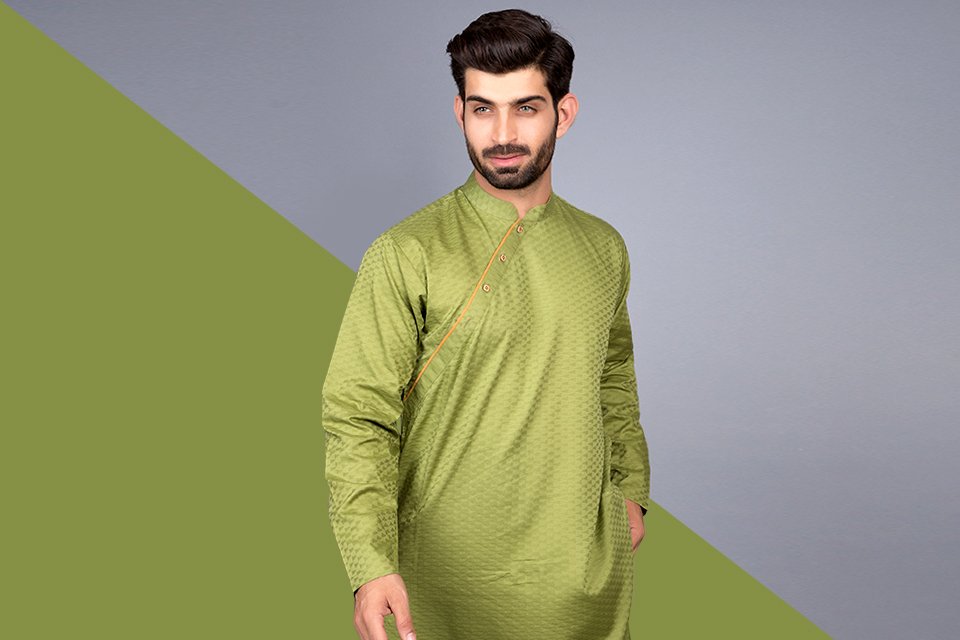
Style comes in many forms and shapes, with the definition of fashion widely differing from place to place. What’s considered fashionable in a specific region might be considered downright ridiculous in another. Yet one style that converges globally into a single standard is formal wear. How one dress up for a formal occasion is more or less uniform throughout cultures and traditions worldwide, but that is also specifically formal wear for men. When it comes to women, the sheer vastness of styles that might be considered formal wear is mind-boggling, differing in culture, region, or even religion. Whereas when it comes to men, the standard set by the British has now become the global measuring stick.
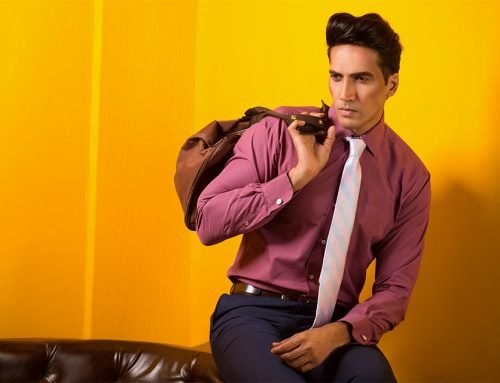
Formal wear for men has evolved over the years, from long and bulky trench coats to more minimalist tapered pants and body-fit formal shirts and blazers, where time has tweaked the dressing category, it has failed to change it outright altogether. The basics of formal wear for men have remained the same throughout the ages, which is a pair of neatly pressed trousers, a properly tucked-in formal shirt, and the optional blazer to go with it. Of course, accessories are somewhat of a category of their own when it comes to formal wear, with a leather belt, a formal tie, and a pair of plain socks having been the long-held essentials to complete any formal outfit for centuries.
As the world has moved into a more corporate realm with white-collar executives running the global function as opposed to the sweat and grit of blue-collared workhorses from a century ago that laid the foundation of what the world should look like, it has now become more essential than ever to be accustomed in the art of formal dressing. Formal wear for men has become more of a cultural symbol, an art form, and the measure of a man that would tell society how successful, educated, or well-mannered he is. Fashion, when it comes to men’s wear, is an ever-dynamic phenomenon, where short-lived fads might catch a feverish pitch but then fizzle out and give way to a new fifteen-second wonder. As the quote goes, “Form is temporary, but class is forever.” Fashion might take many forms, yet class will always be defined by dress shirts, formal pants, and a neatly tailored coat.
Formal wear has always been and will always stay the corporate go-to outfit without any substitute. If a man is to gain the respect of his peers, he, despite his knowledge and manners, will always have to depend on his suit to talk for him before he can make that first impression. For in the truest of meanings, a man might be known by the company he keeps, but he will always be looked upon by the clothes he wears.




Leave A Comment